

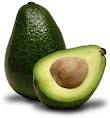
The most cold tolerant avocados can tolerate temperatures in the mid to lower teens. It is best to plant in the spring.
Click Image for Care Guide
Products and Services
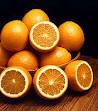
Oranges, satsumas, lemons, pumelos, grapefruit, limes, and limequats. Citrus is best grafted on trifoliate rootstock when cold tolerance is a concern. Plant in spring.
Click Image for Care Guide
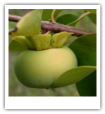
Apples, pears, plums, peaches, loquats, pecans, hazelnuts, olives, persimmons, grapes, figs, blackberries, blueberries... There is not much that can't be grown in North Florida. Temperate fruit are best planted in the dormant season, usually around the end of December through February in this area.
Did you know many palms have edible fruit? Pindo is the most common here. Date palms can produce fruit here too. I also have mangoes, bananas, sapotes, annonas, jak fruit, pineapples, and many others. I often hear, "that won't grow here". I imagine that was said when the first farmers took seeds from one place to plant in another. The art of agriculture is providing the environment a plant needs to thrive. None of the crops just grow here. The farmer or gardener grows them here. 2018/2019 winter was the first where I did not have to protect the tropicals from frost.
This is a common problem I see. This fruit tree was either cold damaged or had a rootstock sprout that took over and stopped feeding the graft. The solution is to topwork the tree to a useful variety. Topworking is grafting a replacement or more desirable variety to an existing tree. You get the advantage of the established root system, and that gets you a productive tree faster. I commonly topwork mature sand pear trees to high quality Asian and European desert varieties. This gets you 5-20 or more types on one tree saving space and extending the harvest season.
I can provide assistance with site selection, preparation, and planning. I can take a look at your soil, and help you identify if your plants have any nutrient deficiencies, diseases, or pest infestations. I can give you lessons on pruning and training, grafting, topworking, inarching, microclimates, frost protection, pest and disease management or anything else related to orchard care.
My rates are $100/hr. plus expenses, if there are any.
I build greenhouses, plant orchards and irrigation systems, and set up the maintenance program. I plant both traditional monoculture and food forest systems. I prefer forest gardening and edible landscaping blended with ornamentals, medicinals, and other useful and attractive species. Monoculture is better suited to commercial mechanized production.
$10 small trees on m-111 roots, trees on Geneva roots are $25 per tree. 3 Gallon on 111 $25, 3 Gallon on Geneva $35 and up. Bareroot dormant trees are a few dollars cheaper than potted trees, if available.
They all seem to grow well here so far. The only cultural practice unique to warm climates is that the leaves need to be stripped off manually in the late fall to induce dormancy. Apple trees do not have a thermometer. It is dormancy hours not chill hours they require. The key is to get trees grafted on an appropriate rootstock like Geneva-41(dwarf), or m-111(full size). The choice of a good rootstock is normal in the eastern US. These roots are the most resistant to the root pests and diseases that kill most apple trees from the ground up in this area. People think that the apple tree dies from the heat because it seems to wither in the second summer. Really, the trees are on seedling roots which are not disease and pest resistant. The nursery used systemic insecticide that kept them healthy for a while. The second year the woolly apple aphids have eaten the roots and the tree withers. Another issue is the climate. Sometimes it is not cold enough to freeze the leaves.
Anna-tends to bloom too early in Northern Florida, but can re-bloom, sometimes we get two crops. Red blush, sweet, short harvest season. Pollinate with Dorsette, Ein Shemer, 200 chill hours.
Arkansas Black- a winter keeping apple, 800 chill hours
Dorsette Golden-like Anna but yellow, 50 chill hours.
Ein Shemer-not such a great fruit, but useful for processing and pollinating, 300 chill hours.
Fuji-sweet summer fruit, 600 chill hours.
Gala-sweet summer fruit, 600 chill hours.
Granny Smith and Spur Granny Smith- cooking apple, from Australia, the spur variety eases pruning, 600 chill hours.
Cripps Pink aka Pink Lady-popular Australian apple that loves our climate,pink, tart, crisp, 500 chill hours.
Enterprise-very disease resistant, just off patent, 800 chill hours
Yellow delicious-sweet yellow fruit, 600 chill hours.
Tropic Sweet-UF bred recently off patent, Florida selection, 300 chill hours
I have about 20 heirloom/rare/unusual/new apples. They are mostly from the South, but some are from the North, West, or Europe. The list includes Shell of Alabama, Joy, Grimes Golden, William's Pride, Reverend Morgan, Bramley, Red Rebel, Liberty, Honeycrisp, Early Red Rome, Hawaii, Reverend Morgan, Sundance, Cripps 2, Dixie Red Delight, Hunge, Dula's Beauty, Sierra Beauty, Terry Winter, Arkcharm, Lady Williams, Goldrush, Aunt Rachel, King David,...
1 Gallon $10, 3 Gallon $35, 5 Gallon $45
Often overlooked, but an easy to grow, delicious, and productive fruit tree. Several species are grown here, are naturalized here, or are native. Our native red mulberry is a good forage, fruit, and timber tree with very durable heartwood.
Native Red Mulberry-Male and female trees needed for fruit and dual-purpose timber tree
Illinois Everbearing-Great flavor, extended harvest, redXwhite hybrid, wide range of adaptability. It is a later season variety and very productive.
Pakistan - Very large and tasty, but too low chill for reliable production in our erratic climate. Still my childhood favorite.
Black Everbearing-.Truly everbearing in warm climates, not so dwarf as reported in North Florida
Not as popular as the edibles but I have a good selection of native plants, Flowering and shade trees and bushes, Spring Ephemerals, Palms
1 Gallon $25, 3 Gallon $40, 5 Gallon $50
Peaches with no fuzz. All grafted on MP-29 rootstock
Karla Rose-White flesh, freestone, red skin, ripe in June, 600 chill hours.
Fantasia-Yellow Flesh, freestone, red skin, ripe in July, 650 chill hours.
Sunred-Lowchill
Macadamia coming soon
Black Walnut local seedlings - $10, grafted $50
Chestnut- $20 and up
Chinquapin-1 Gallon $15, 3 gallon $35
Pecan-$35 and up
Amling, McMillan, Elliot, Caddo, Moreland, Gafford-can be a good producer with no spraying if one chooses the best and most disease resistant trees like Amling.
Many varieties will grow in optimal conditions. Arbequina is the best for cold tolerance, dwarf size, and reliable self pollination. $10 1 gallon, $40 3 gallon.
Local seedlings and seedlings from selected varieties - $10
North America's largest tree fruit. Looks like a green mango but hangs in clusters like a banana. Each cluster come from one flower. So, if one considers the cluster as one fruit, the fruit might weigh 5-10 pounds. The texture is custard like and the flavor like a pineapple, banana, strawberry mix. Yum!
Grafted trees start at $40
$25 for 4 inch treepots and 1 gallon pots, $35-$45 for 3 gallon pots, $50 and up for fruiting size trees
Many hardy varieties, some are large local trees, others are from around the deep south. They require systemic fungicide if you have Laurel Wilt in your area. But the ambrosia beetles vectoring this disease ignore small trees, so prune low and have small replacement trees planted well away.
Brazos Belle-smooth black skin, 6-8 oz., tolerant to the mid teens, July-August
Brogdon-smooth black fairly easy to peel skin, 12-24 oz., tolerant to the mid twenties, August-September
Joey-black skin, 6 oz., tolerant to upper teens though some say 10 degrees, August-October
Fantastic
Gainesville-smooth green skin, 6 oz., tolerant to the mid teens,July-August
Hall-smooth green peelable skin, 24-30 oz., cold tolerant to 24-26 degrees, October-November
Lila-smooth green skin, 6-8 oz.,tolerant to the mid teens, August-September
Mexicola-smooth black skin, 6 oz., tolerant to the upper teens, July-August
Monroe-smooth green peelable skin, 16-24 oz., tolerant to 25 degrees, November to January
Pancho-smooth green skin, 6 oz., tolerant to the upper teens, August-September
Vicky-like a smoother skin version of the Hass, probably a HassXMexican hybrid, 6-8 oz. fruit, tolerant to the upper teens, August-September
Winter Mexican-small black smooth skin, 6-8 oz., tolerant to 25+- degrees, September-December
1 Gallon $25, 3 Gallon $45, 5 Gallon $55
All grafted on MP-29 rootstock
All on MP-29 or Sharp. Mp-29 is the best. Both it and Sharp are Armillaria resistant. All of these rootstocks are nematode resistant. Peaches are grown in the southeast with heavy chemical inputs. I have discontinued other rootstocks unless requested. Some patented varieties are only availible on the older rootstocks though.
Peaches are grown with heavy chemical inputs in the Southeast. Organic culture is possible but requires regular spraying during hot and wet weather. Some years it is too wet to be successful. The easiest and best way to grow stone fruit organically is in a protective structure. A plastic or glass roof will shed the rain and screened sides will exclude the insects. This can be done inexpensively, especially considering the log term harvest. In fact, true cherries, any plum, apricot, almond, or even pistachio can be grown with protective structures. These are not the easiest fruits to grow, but I don't consider them hard to grow.
Subtropical/Low chill
FL Belle-Red/Yellow skin, yellow melting flesh, ripe May, 250 chill hours.
FL Glo-Red skin, white melting flesh, semi-cling, ripe early May, 150 chill hours.
FL Prince- Yellow melting flesh, ripe May, 150 chill hours
Tropic Snow-White freestone, ripe May, 200 chill hours
Deep South/ Medium Chill
Carored-Red skin, semi-freestone, yellow flesh, ripe late May, 650 chill hours.
Contender-Red/yellow skin,freestone, firm yellow flesh, ripe in August, resistant to bacterial spot and a late bloomer, 1050 chill hours.
FL Crest-Red/yellow skin, yellow fleshed semi-freestone, ripe in May, 400 chill hours
Flavorich-Red skin, pigmented firm flesh, semi-freestone, ripe in June, 800 chill hours.
Gulf Crimson-$20-Red/yellow skin, firm clingstone yellow flesh, ripe in May, 400 chill hours.
Gulf King-$20-Red/yellow skin, firm clingstone yellow flesh, ripe in May, 375 chill hours.
Junegold-Large fruit, firm yellow freestone flesh, ripe in June, 600 chill hours.
Summergold-Large red skin fruit, firm yellow clingstone flesh, ripe in July, 750 chill hours.
Suwannee-Firm yellow freestone flesh, ripe in June, 650 chill hours.
$10 and up
These varieties produce well in the deep south. The key is to make sure at least six feet of the stalk survives the winter.
Dwarf Brazilian-maybe the best choice for fruit in North Florida
Dwarf Namwah- like a small "Ice Cream"
Gold Finger-a small disease resistant commercial type
Kandrian-big tree, plantain like, from New Guinea
Namwah-locally mis-identified as "Blue Java" the true "Ice Cream banana", one of our best
Pisang Ceylon- improved Mysore type, dessert fruit
Praying Hands-the bananas are attached in each hand
Raja Puri-small and cold tolerant, tastes good, slow grower
Orinoco- the most common southern banana, plantain like but gets soft and sweet, moderate disease resistance, moderate cold tolerance
Saba- largest tree, plantain fruit
1000 Finger-hundreds of tiny fruit in a bunch
$6 1 gal, $15 2-3 gal
Emerald-Highbush
Jewel-Highbush
Ochlockonee-latest season rabbiteye
Vernon-earliest rabbiteye
Windsor-Highbush
Also carry a bunch of traditional rabbiteyes, Now graftting on Sparkleberry roots. This makes an easier to maintain "tree" that can be multigrafted for small yards. The rootstock is more adaptable to varied soil types and confers more disease resistance to the foliage. I view grafted blueberries as the most sustainable option.
$15 for small trees, 3 Gallon $25, up to $100 for large multi-grafted, many in between
The best root is calleryana or an OHF like 333 or 87. The most disease resistant are easy to grow and delicious.
Ayers-Medium size yellow fruit with a red blush, free of grit cells, ripe in August, good resistance to fireblight,600 chill hours.
Carnes-Maybe the best or the hard pears, best for processing, moderate fireblight tolerance, 300 chill hours.
Fanstill -Maybe the most fireblight tolerant pear, yellow skin with a slight red blush, crisp juicy flesh, 500 chill hours.
Kieffer-Popular cooking pear, large fruit, some grit cells, good blight tolerance, 300 chill hours
Le Conte-Yellow skin with some red blush, soft flesh, moderate fireblight tolerance, ripe in August, 400 chill hours.
Maxine-Bartlett like, white flesh, good quality, good fireblight resistance,800 chill hours.
Moonglow-Good pollinator, good quality, and good fireblight resistance, ripe in August, 500 chill hours.
Orient-Large round yellow pear, firm juicy sweet white flesh, 300 chill hours.
Pineapple-Large, yellow, red blush, firm, blight resistant, ripe in July, 150 chill hours.
Shinko-An round Asian pear with sweet, juicy, and firm flesh, good fireblight tolerance, 500 chill hours.
Tenn-Also called Tennessee, small tasty, good fireblight tolerance, 400 chill hours.
Warren-Very similar to Magness, good quality and blight tolerance, 600 chill hours.
I do have twenty or so other pear trees in the stock grove. If I don't have it, I want it. The list includes Potomac, Harrow delight, Harrow sweet, Magness, Hood, Baldwin, Florida Home, Chojuro, Seuri, Ya Li, Tsu Li, Korean Giant, Shinsui, Blake's Pride, Shenandoah, Honeysweet, Harvest Queen, Yoinashi, Southern King, and some less fireblight resistant types I wouldn't recommend. I use calleryana, OHxF 333 and OHxF 87 rootstocks.
$30-4 inch treepots, $40 2-3 gallon, $50 5 gal, $60 10 gal, Some larger.
Citrus need the right rootstock for your soil and climate. It is misleading, incorrect, and potentially dishonest to use the term "trifoliate" to generically refer to the various hybrids of the Trifoliate orange. Trifoiate orange is a temperate citrus species. Trifoliate hybrids like Swingle, Carrizo, Kuharske, US 852, etc... are not as cold tolerant nor do they induce the same cold tolerance in the citrus tree as trifoliate does. Each root has its place. Each one was named and selected for their individual and unique characteristics. One must call the rootstock by name to communicate it's horticultural characteristics. Saying trifoliate in this context only tells you about the leaf shape. That means nothing when choosing a citrus root. The word trifoliate, in the context of citrus rootstocks, is only used to refer to the species Trifoliate Orange because each of its varieties share the same general horticultural characteristics. Trifoliate Orange is good for clay soil and colder areas. Swingle grows faster in deep sandy soil in moderately cool sites. Carrizo is best in a central Florida type climate. Volkamer Lemon is very cold sensitive. Sour orange is salt tolerant and tolerates wetter soils, but is not as cold tolerant. Citrus also acclimate to cold. During extended cool weather they stop growing and put plant antifreeze in their sap. A pummelo on a lemon root during warm weather may freeze around 28 degrees. An acclimated pummelo on trifoliate root will have little leaf and twig damage at 15 degrees.
Citrus Greening and Climate Change
We now have Central Florida's historical climate, but not soils. I am including in inventory some of the newer rootstocks known to confer some citrus greening tolerance. None of these are cold weather tested, nor has Trifoliate Orange been widely tested for it's conference of greening tolerance. Trifoliate orange, along with Citrus macrophylla, is very tolerant of citrus greening and the usual source of greening tolerance in breeding new roots and scions. Therefore, I see no compelling reason not to use Trifoliate Orange as the rootstock in this area. Some of the newer ones may be good choices if warmer winters is our new normal. One can always inarch to Trifoliate if needed.
We have psyllids and Citrus Greening in the area now. I urge caution when planting citrus orchards. Fallglow tangerine, US Early Pride(its seedless version), Sugarbelle tangelo, Persian lime, Triumph grapefruit hybrid, and some non-commercial varieties are the only publicly available cultivars with some greening tolerance. They must be grafted onto the correct rootstock. It is the scion/rootstock combination along with the right cultural practices that confer some tolerance to citrus greening.
I will only grow citrus trees on greening resistant roots in the future unless otherwise requested.
Grapefruit
Duncan-White seedy and sweet, the most cold tolerant, survives the lower teens when grafted on trifoliate and adequately acclimated to the cold
Triumph-grapefruit orange hybrid showing some tolerance to citrus greening
Ruby Red-earlier season favorite
Flame-the reddest
Kumquat
Meiwa-Sweet round kumquat with mealy flesh
Nagami-Tart oval fruit with juicier flesh
Oranges
Hamlin-Early Juice Orange, very cold tolerant, maybe the most.
Midsweet-Midseason cold hardy Juice Orange
Navel-Early to late season orange suitable for fresh fruit only, many different varieties.
Valencia-The famous juice orange. The tree itself is very cold tolerant. The fruit is not and takes about 18 months to ripen, therefore you need to protect the fruit from frost for the entire winter, harvesting in the spring and early summer.
Lemons
Harvey-The most cold tolerant true lemon in Florida, seems as cold tolerant as Meyer when grafted on trifoliate.
Meyer-A popular lemon hybrid lacking lemon oil. Commonly grown as cuttings, but better grafted to trifoliate root.
Limes
Keylime- The "true" lime, thorny, highly flavored and aromatic, everbearing, and very frost sensitive. Keylime will freeze to death in the lower 20's and show leafburn around 29 degrees. They will survive around twenty or slightly lower on Trifoliate orange but with significant damage. There is a thornless type.
Limequat-A keylime kumquat hybrid. The fruit is very lime-like and the tree is much more cold tolerant. Limequat on Trifoliate orange tolerates 15 degrees.
Persian-A seedless lime hybrid, A few degrees more cold tolerant than keylime defoliating at about 25 degrees. Tolerates at least 22 degrees grafted on Trifoliate
orange
Mandarins/Tangerines
Clementine-The most common type in bags and boxes in the grocery store. Several varieties
Ponkan-An ancient variety like Satsuma, larger, low acid, seedy, firm flesh, my former favorite.
Satsuma- Ann, Brown's Select, Kimbrough, Owari, Xie Sha San
Satsumas freeze at about 10 degrees when acclimated and grafted on trifoliate. They also lose leaves to frost at 25 degrees when not acclimated or grafted on lemons like volkamer.
Shiranui-The best, a (SatsumaXTrovita)XPonkan hybrid.
Pummelos and Hybrids
Hirado Buntan-very large and pink, among the most cold tolerant, has survived 14 degrees in Tallahassee when adequately acclimated! That one surprised us.
Red Shaddock- Similar to Hirado
Oro Blanco- Grapefruit/pummelo hybrid
Melogold-Grapefruit/pummelo hybrid
Tangelos
Page-mostly mandarin but has a delicious tangelo flavor, early season, very cold tolerant, I love this one!
Minneola/Honeybelle-large and sweet, mid-season, very cold tolerant
Nova
Orlando-orange like, sweet, early, and very cold tolerant
Sugarbelle-new, patented, some greening tolerance, earlier than Minneola
$20 6 in treepots or 1 gallon, $40 3 gal, $50 5 gallon
Nonastringent
Fuyu-There are many types, most southeastern "Fuyu" are Jiro or Fuyugaki. In general Fuyu is non-astringent, mostly seedless, parthenocarpic, low chill, frost tolerant, and tend to bloom after the last Freeze. This is among the very best of the world's fruits. Ripe in October.
Imoto-Fuyu Imoto is more squarish and a little later, maybe fruit til November.
Izu-Large early fruit starting in September on a smaller tree
Jiro-More round, October
I also have Rosseyanka, Prok, some american selections, Sheng, Saijo, Matsumoto, Ichi kei ke jijo,....
1 Gallon $25, 3 Gallon $45, 5 Gallon $55
All grafted on MP-29 rootstock
Plums that are well adapted have been hybridized with our native plums. This gives them the needed disease resistance. They are more resistant than peaches. Most plums sold in the deep south are climate adapted but have little or no disease resistance. I strongly recommend only the following varieties.
Auburn series-seems to work better for us along the Georgia border than the UF Gulf series. The varieties are Amber, Cherry, Producer, Roadside, and Rubrum.
Byron Gold- A gold USDA variety
Gulf Series-Bred by the University of Florida and well adapted o the peninsula and the warmest panhandle climates. They often bloom too early in my garden and production suffers from freezes. However, if weather permits or you cover the crop, the Gulf series plums are the earliest. The varieties are Gulf Beauty, Gulf Rose, and Gulf Blaze.
Spring Satin Plumcot- Another USDA release, a plumXapricot hybrid.
$10 and up
This ancient fruit is very well adapted, but with one glaring problem, fruit rot. Florida has a fungal fruit rot problem. It seems to infect the fruit in the flowering stage. It is suggested that a systemic fungicide will be necessary to get reliable production. But, the research is ongoing. This means that homeowner trees will have low to moderate production. I've had some success keeping them dry and sprayed with organics or nothing at all. I do consider these difficult to grow because of the need for toxic chemicals. I am currently trying them in a protective structure with organic disease control. We'll see.
Ambrosia-Large fruit, pink skin, dark juice, moderate cold tolerance.
Austin-Large red fruit, sweet, from Syria but selected in Texas, good cold tolerance.
Fleishman-Pink inside and out, large fruit, moderate cold tolerance.
Grenada-A bud sport of Wonderful, dark red inside and out, moderate cold tolerance.
Wonderful- Red in and out, sweet/tart, moderate cold tolerance.
Vietnam-Pinkish variety from Vietnam, among the lowest chill hours and can break dormancy early and suffer damage from freezes.
$5
These need to be trellised like all brambles.
Caroline- A true and delicious raspberry but one that has failed to thrive, in the ground, without systemic pest and disease control. So far this one has not lived up to it's reputation for disease tolerance, at least not in Quincy in the cold wet clay. I am still trying. It does fine with organic control in pots on benches?
Dorman Red- A blackberry hybrid that does well but only moderate quality, still worth growing
Mysore- A subtropical species from India, black raspberry, decent quality and size, rampant and well adapted, thorny,maybe the best if you choose only one. I intend to hybridize it with Caroline if I get permission
$5
I prefer to plant strawberries in raised troughs or planters. You can paint the supports with sticky trap goo, and this blocks the ground dwelling ants and beetles that usually eat the fruit. This method allows successful low input organic strawberries even in our climate.
Chandler-A June baring type planted in the fall.
Indian Head- A little local one that naturalizes well, no idea which variety, produces when it seems too hot for strawberries, not the sweetest but flavorful and very reliable.
Seascape-A heat tolerant day-neutral variety fruiting during the cooler season, fruits longer if you can keep it cool.
$6 and up
I used to grow a dozen thorny varieties. If you want pounds per acre, then some thorny types are the best. But for me the thornless is worth it. These are from Arkansas and can't be beat.
Apache- A little later than Arapaho.
Arapaho-Tart when picked early but good ripe, early.
Natchez-Somewhat rust susceptible but easy to control with sulfur.
Osage-Very sweet and mid-early season.
Prime Ark Freedom- Thornless and primocane making two crops a year
cuttings $2, rooted cuttings $5, 3 gal. $20, a few larger ones
Alma-small disease resistant, good for the southeast
Black Mission-pretty but can be a shy producer in the southeast, main crop in September
Brown Turkey-Main crop in June-July, some fruit til frost
Brunswick/Magnolia-old favorite, large fruit, decent late crop, mild flavor
Celeste-Small, purple, sweet, main crop June-July, should be a first choice
LSU Gold-The most cold tolerant in Quincy, Large mildly sweet yellow fruit
LSU Purple-Small very sweet, good late crop, frost sensitive but worth protecting
LSU improved Celeste
Pasquale
No one ever buys these, I don't know why. These are the easiest veggies to grow.
Asparagus- $5- I like Jersey Knight, but they all seem to do well enough
Beans- Seeds and Roots-I have a perennial field pea with a tuberous root called Zombie pea, A native called wild lima with a tuberous root and small seeds, And pigeon peas
Bele aka Tongan Tree Spinach-Okra relative, reputed super food, mine came from Hawaii
Bird Peppers-$5
Chaya - $5
Chayote-$10
Garlic Chives - $2
Groundnuts/Apios - $5
Moringa-$10
Okinawa Spinach - $5
Taro - $5
Yams(Cinnamon) - $2 and up
1 gallon $10, 3 Gallon $25, Grafted add $10
Muscadine Grapes
Muscadine is the southeast's best native grape. Scuppernong was the first named variety and many call all green or bronze Muscadine varieties "Scuppernong". they are made into juice, jelly, wine and consumed fresh. Muscadine is a truly well adapted fruit species and will produce very well in almost any gardenwith little care. I recommend care. The least is a one wire trellis and spur prunning.
Alachua-Mid size and season, self-fertile, purple.
Carlos-The most popular bronze variety, self-fertile, the best rootstock for bunch grapes.
Jumbo-almost the size of a plum, purple
Noble-small, purple, less grape bubblegum flavor, a good wine, juice, jelly variety, self-fertile.
Welder-Bronze, good for juice or wine, extended harvest season.
​others too
Bunch Grapes
The Florida hybrids and others are the European grape, Vitis vinifera, crossed with various species native the the southeast and southwest. these native species confer resistance to Pierce's Disease and other diseases that vinifera suffer from. Please do some research before you buy bunch grapes. Most sold are not resistant to pierce's disease and will succumb.
Blanc du Bois
Black Spanish
Daytona
Favorite
Herbemont
Stover
Victoria Red-supposedly tolerant but I have heard it doesn't like it here, We'll see
I'm working on some others, Will keep you posted. Their are excellent wine varieties from a California breeding program that are resistant to Pierce's Disease
Tropical and Subtropical fruiting and flowering species have always been a good option here. With the warmer winters this last decade, they are a better choice all the time. The Deep South has a very warm and humid climate. On average we need to protect tropicals from frost a few nights or a few weeks total each winter. This is easy to do with the appropriate pruning and training techniques, and some simple frost protection. This is true for the semitropical and warm temperate areas. Mangoes, Litchi, Sapotes, Annonas, Starfruit aka Carmbola, Pineapple, Papaya, Guavas and other myrtle family fruits like Eugenia ans Jaboticabas, Jak Fruit, Garcinias, and many others can be grown easily with little effort during our most pleasant season. Little trees or bushes draped with Christmas lights and covered with frost cloth can be left unattended as long as a cheap thermostat switches the lights on at night when it gets cold. This may seem like a lot of work. But is is much less than the relentless care demanded by more common southern fruits during the summer. I have not had to cover these trees in my yard in town these past few winters.
I sell seedlings and cuttings for $5 or $10. Grafted trees start around $45. Mangoes are easier to grow than peaches, organically. I will expound on all of this more.
We are warm enough for some species of flowering trees and shrubs like Bauhinia, Cordia, Hibiscus, Bouganvilla, Jacardanda, Tabebuia, Tecoma, Grevillia, Schotia, Ciebia, Caesalpinia, Senna, ... I'm growing them up now
$25 and up
Also called Red Date or Chinese Date because the dried fruit can resemble a Date. The fresh fruit is like a little brown skinned apple. They are very good and easy to grow.
GA-866/Chico
Lang
Li
Sherwood
Tigertooth
$10 and up
Kiwi come in several species. The familiar fuzzy and gold large supermarket species are two. My favorite are the smaller fuzzless or hardy kiwi. Sometimes they are sold as "grape kiwi". They are more cold and heat tolerant. Kiwi like a rich well drained soil. I recommend a raised bed with organic amendments. Kiwi need an insect pollinator like both honey bees and bumble bees. Some are more tolerant of Armillaria and Phytophthora root rots than others. We are doing rootstock trails to figure that out.
Ananasnaya(Anna)- A longer tasty Russian variety, the name means pineapple.
Ken's Red- It is a red type
Hardy Male- Viable pollen
Vincent-Low chill fuzzy
Tomuri- Viable pollen fuzzy
others too
Seedlings $5-$10, Grafted start at $40
Most named varieties are no better than the average seedling from a good tree. Some are though. I like the flavor and size of Gold Nugget. I hear Big Jim is a good one too. One has to thin the fruit in the clusters to maximize fruit size, like apples and pears which are closely related. Loquat is also fireblight susceptible like apple and pear.
Select seedlings
Bradenton
Champagne
Diane- the best I've seen, big fruit